
 |
| Dual Screens in Foldable Phones: The Compelling Shift Towards Two Screens |
Foldable phones have graced the tech landscape for nearly a decade, yet their market presence remains relatively small, largely due to a combination of factors including high costs, reduced durability compared to conventional smartphones, and the persistent issue of visible creases on their displays. However, the tide seems to be turning, driven by innovative releases such as the Samsung Galaxy Z Flip 5, Motorola Razr Plus, and Google Pixel Fold. These tech giants are inching closer to addressing the pivotal question of the foldable phone niche: What's the "killer application" that truly justifies their existence and entices consumers to embrace them? Interestingly, it appears that this "killer application" might not be an app at all, but rather the inclusion of a secondary screen.
While the foldable phone concept itself isn't new, recent releases have started to show the potential of this design. Traditional foldable phones suffered from a lack of practical applications that could genuinely exploit their unique form factor. This conundrum hindered mainstream adoption. However, the recent generation of foldable phones has brought the concept closer to viability.
The Samsung Galaxy Z Flip 5, for instance, boasts a sleek clamshell design that neatly folds in half, making it more pocket-friendly without compromising on screen size. Motorola's Razr Plus is another contender, pushing the boundaries of nostalgia and modern technology with its revamped flip phone design. Meanwhile, Google's Pixel Fold adds its own unique approach to the foldable phone arena, hinting at a future where two screens could become the norm rather than the exception.
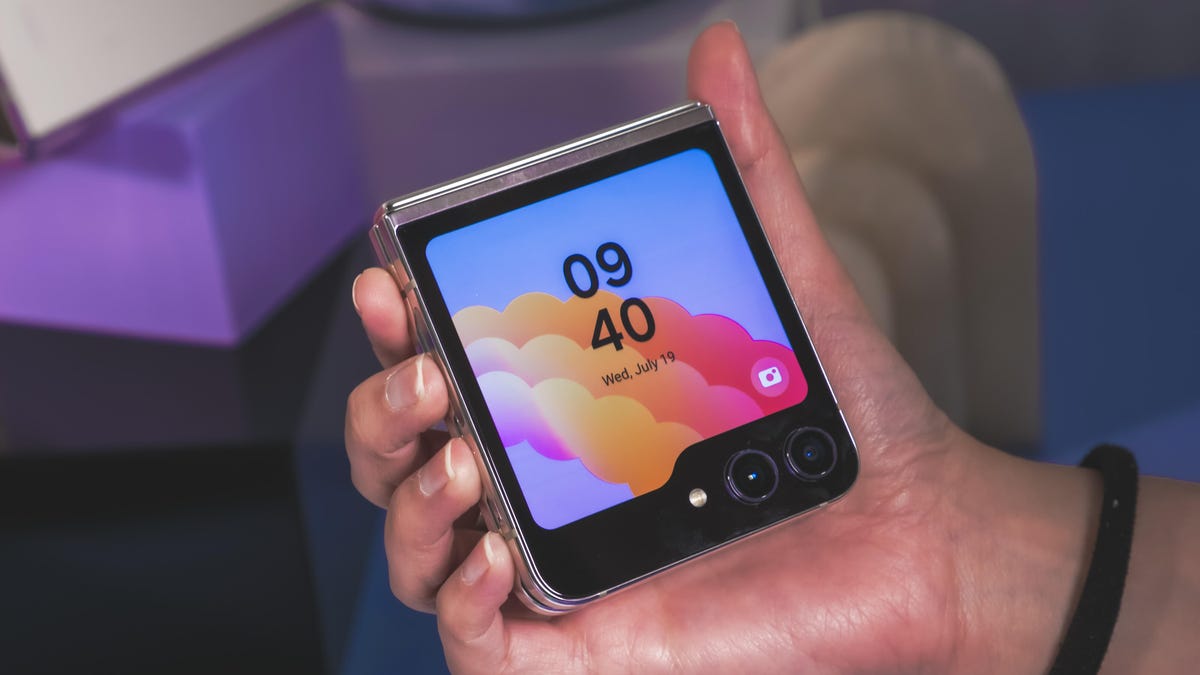
What sets these newer foldables apart is the inclusion of a secondary screen on the outside of the device. This additional screen addresses some of the limitations that plagued earlier models. Now, users can perform basic tasks like checking notifications, responding to messages, or even taking quick photos without needing to unfold the device every time. This feature essentially replicates the convenience of traditional smartphones while introducing a transformative element that's unique to foldables.
This shift towards a dual-screen setup opens up a multitude of possibilities for app developers and designers. It encourages them to craft experiences that take advantage of the device's form factor, capitalizing on the potential for enhanced multitasking, seamless transitions between apps, and creative uses that bridge the gap between a phone and a tablet.
The journey towards making foldable phones a mainstream success is far from over. The concerns regarding durability, cost, and that persistent crease still linger. Yet, with every new release, the gap narrows. It's becoming increasingly evident that the solution to the "killer application" puzzle might not be an elusive app or feature, but rather the very way we interact with our devices. As Apple, Samsung, Google, and other tech titans continue to refine and innovate in this space, foldable phones might just be on the brink of proving that two screens can indeed be superior to one.